After a treatment session at Memorial Sloan Kettering, John Angelo asked his son Bryan to send over toll and parking receipts from the drive into the city — small costs he'd submit to insurance. Then he paused.

He said he felt fortunate. Not just for the insurance coverage that got him to world-class cancer care, but for the financial cushion that made the small things possible: parking, tolls, gas, hotel nights, meals on long treatment days. The invisible costs no one talks about that compound fast when someone you love is sick.

"I don't know how people who don't have the means do this, and access care."

The answer, for too many families, is that they don't. Or they do — buried in debt, forced to choose between appointments and keeping the lights on.

John Robert Angelo passed away on October 27, 2019, after battling Diffuse Large B-cell Lymphoma. The JRA Foundation was built to answer the question he asked that day.

Cancer organizations have done critical work funding research, treatment, and direct medical care. But the access problem is different. It's the family driving three hours each way for chemotherapy, burning through a week's grocery budget in gas. It's the hotel the night before an early procedure. It's the parking garage that charges $50 a day and doesn't take insurance.

These aren't medical costs. No gala covers them. No clinical trial accounts for them. They are the silent barrier between a family and the care that could save a life.
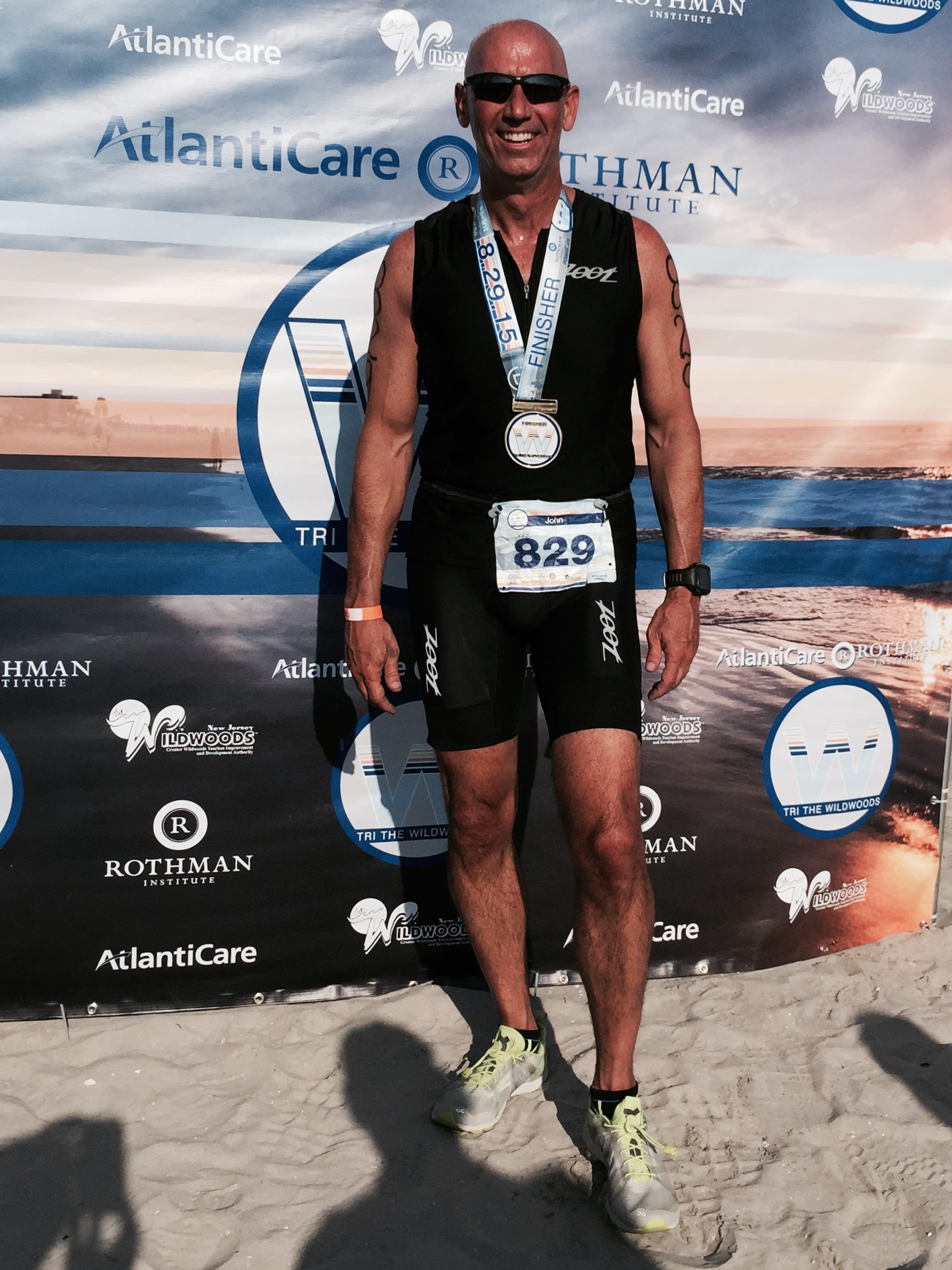
John finishing the Tri the Wildwoods triathlon, 2015

Finishing the Tri the Wildwoods, August 2015.
$10K+
Average non-medical out-of-pocket costs during active cancer treatment — costs insurance won't touch.
1 in 3
Cancer patients delay or skip care due to financial barriers. The JRA Foundation exists to change that number.
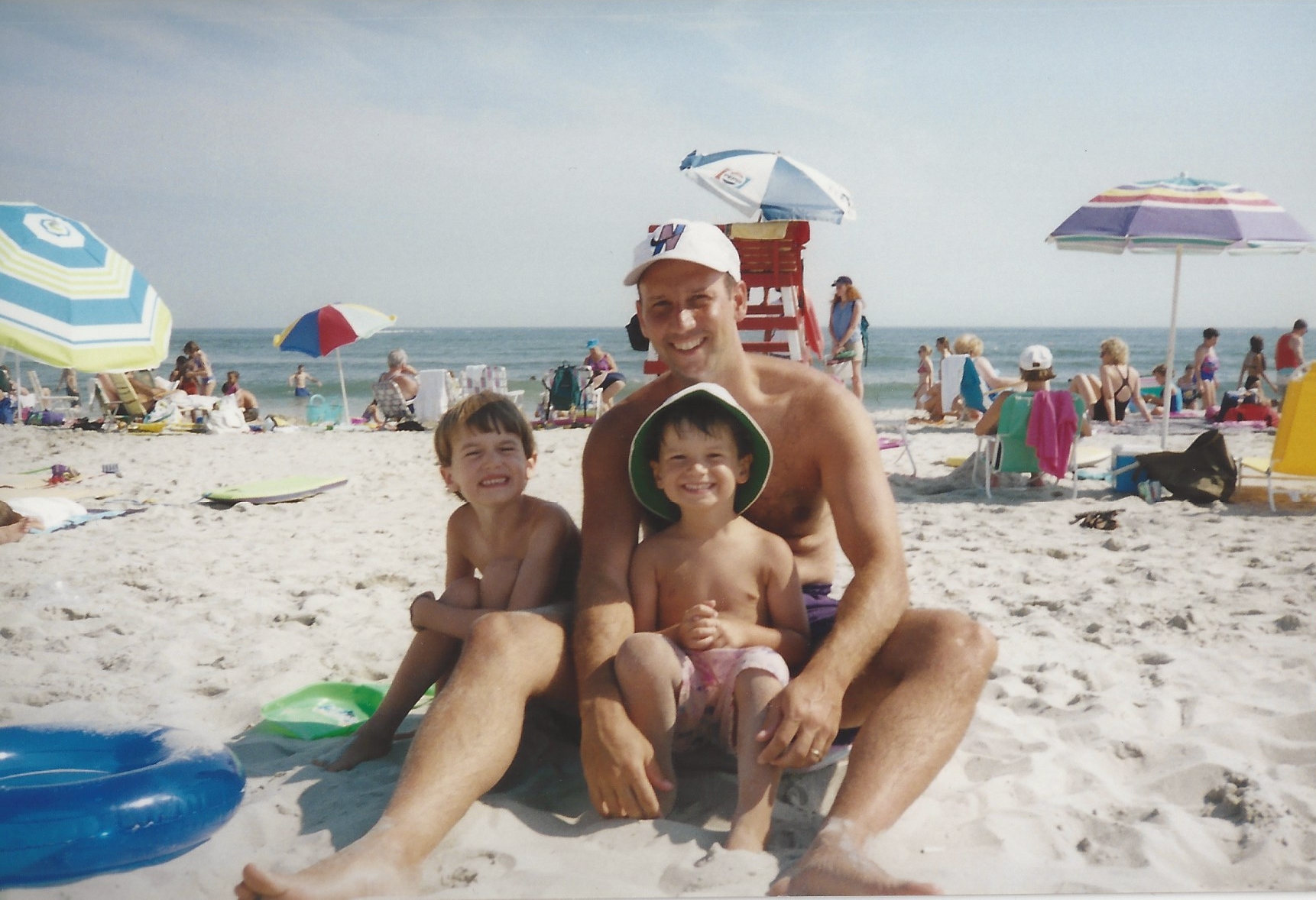
John at the beach with family
With family
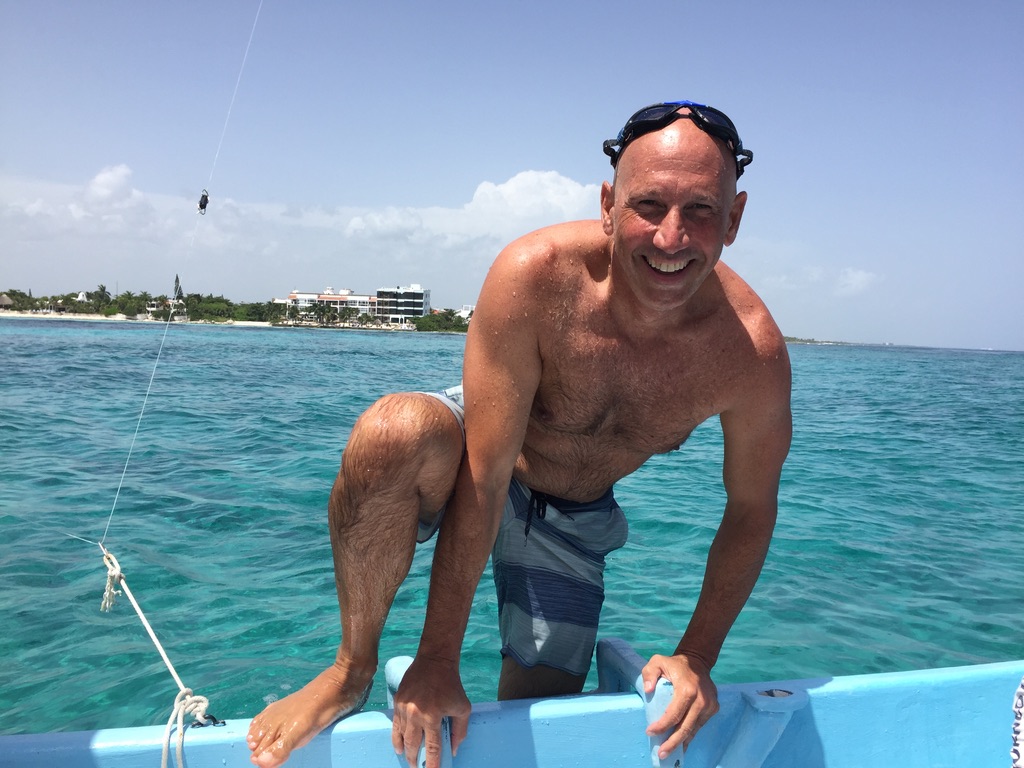
John on the water
Living fully
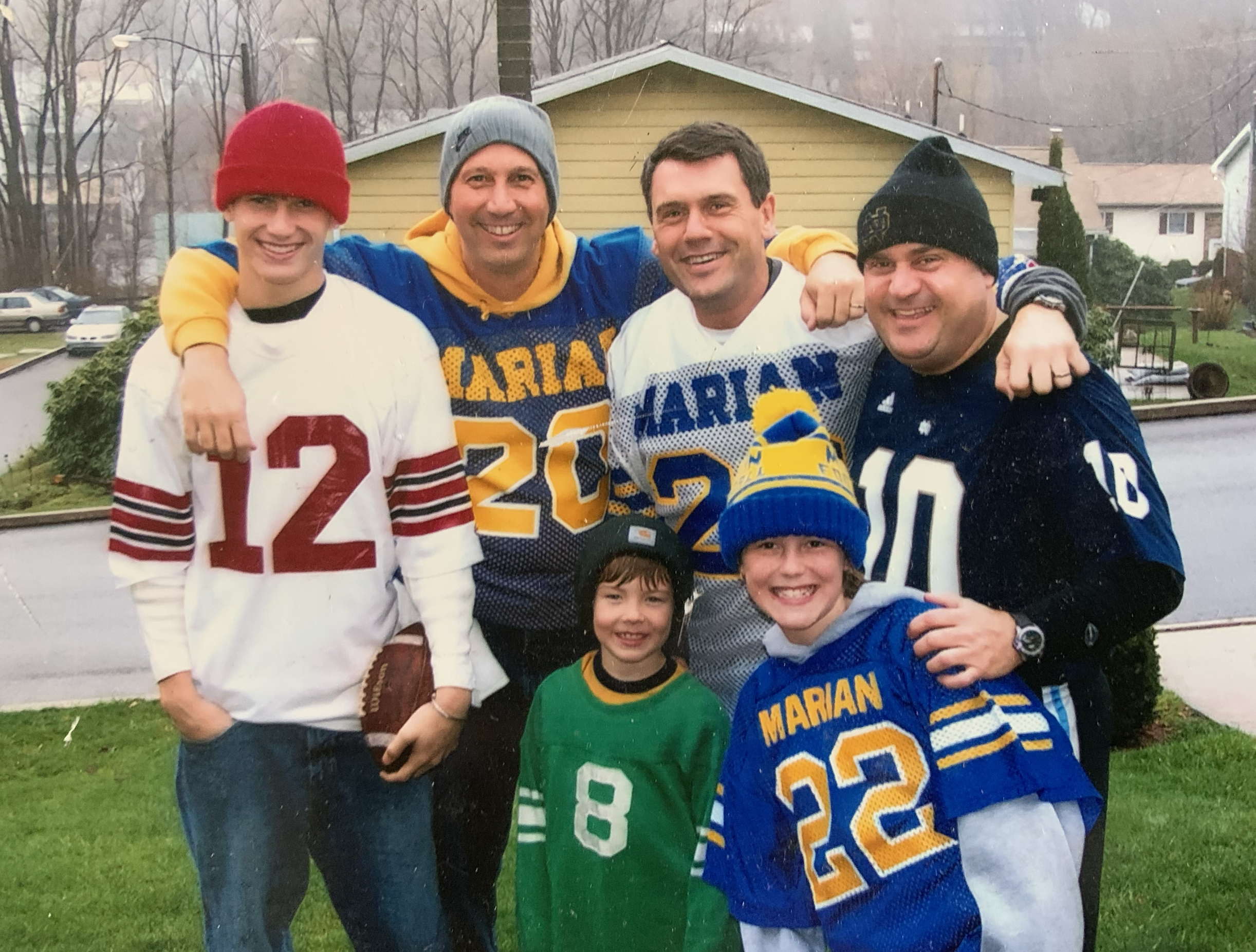
John with family and friends
John with the people he loved
Mission

Remove the hidden costs of cancer.

Direct financial assistance for non-medical expenses during treatment — travel, transportation, lodging, and meals — so that financial hardship never stands between a family and the care they need.

Vision

A world where the cost of getting to treatment never determines who survives it.

Founding Belief

Access to care should not depend on a ZIP code.

Every family facing a cancer diagnosis deserves the chance to focus on healing — not logistics. Not parking. Not gas. Not a hotel they didn't budget for.

Support Our Work
The Gap We Fill

The four costs that fall through every crack.

01

Transportation

Gas, mileage, rideshare, tolls. Cancer centers are often far from where patients live. Getting there, repeatedly, costs money most families haven't budgeted for.

02

Lodging

Long treatment days, early morning procedures, out-of-area specialists. Families sometimes need hotel stays no one planned for. Insurance doesn't cover them.

03

Parking

Hospital garages at major cancer centers charge $30–60 per visit. Over weeks or months of treatment, this becomes a real and recurring burden.

04

Meals

All-day chemotherapy means someone needs to eat. A caregiver sitting with a patient for eight hours needs to eat. These costs compound over a full treatment cycle.